Why Local DJs Matter to a Healthy Electronic Music Scene
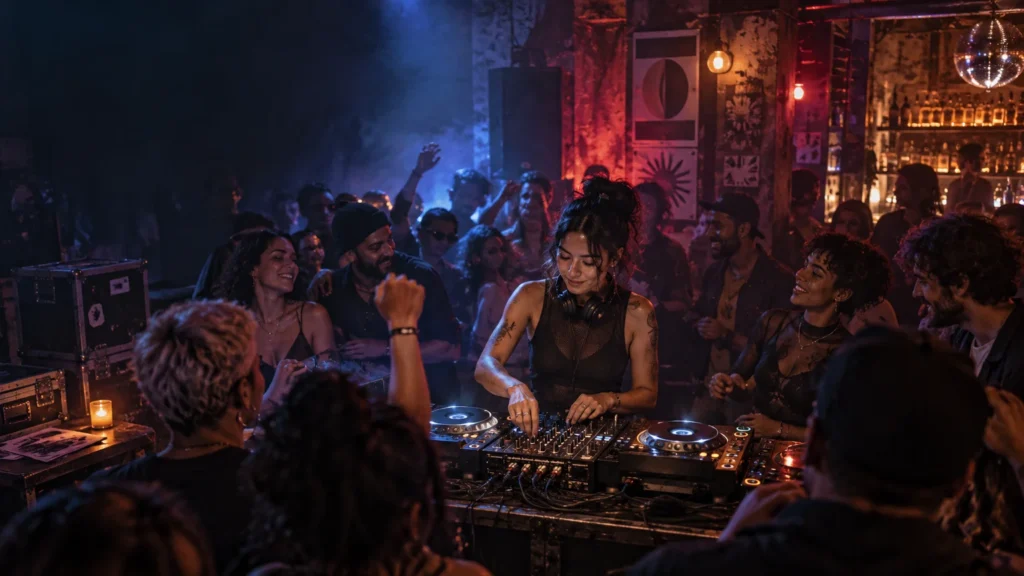
Local DJs do more than fill early set times. They build audiences, test new sounds, connect creative communities and help nightlife develop its own identity.
Local DJs do more than fill early set times. They build audiences, test new sounds, connect creative communities and help nightlife develop its own identity.
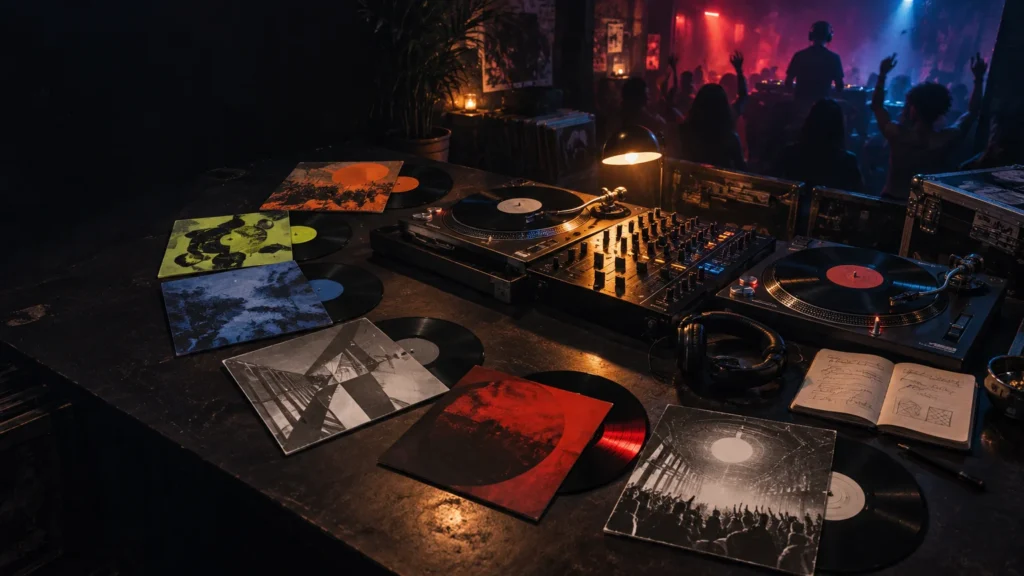
A practical method for entering an unfamiliar electronic genre through anchor tracks, contrasting branches, DJ sets, labels and scene history.
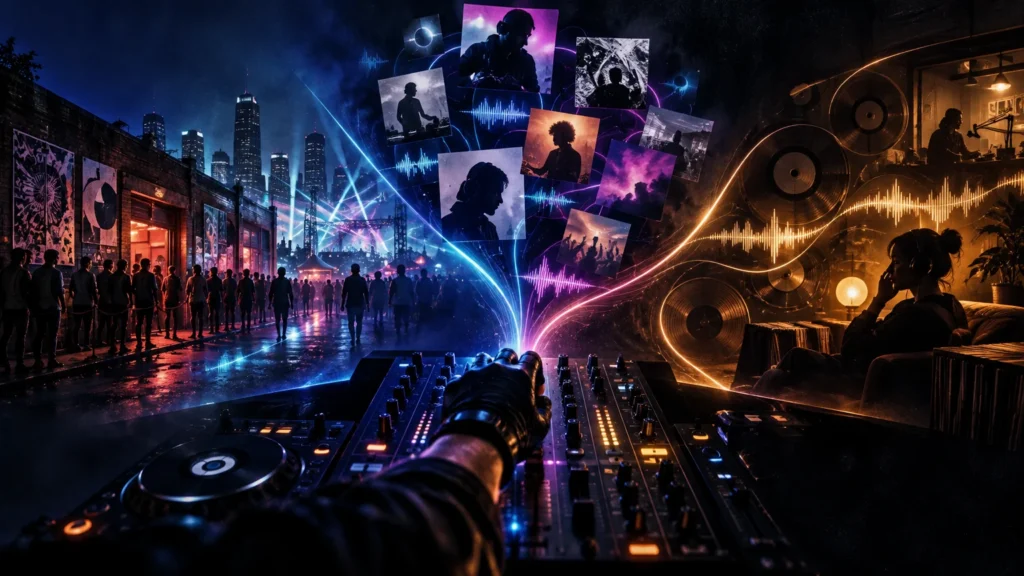
Resident Advisor maps music to scenes and events, SoundCloud follows tracks through artist networks, and Mixcloud rewards deeper listening through DJ sets and radio shows.
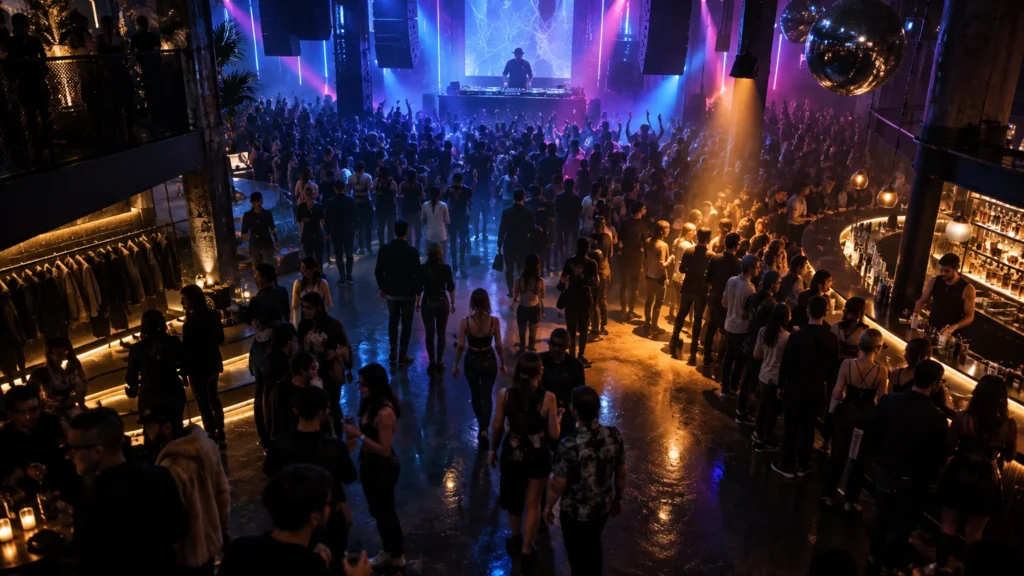
Where people gather, pause and struggle to move can reveal more than a headcount. A practical guide to reading club crowd flow without guessing at patron motives.
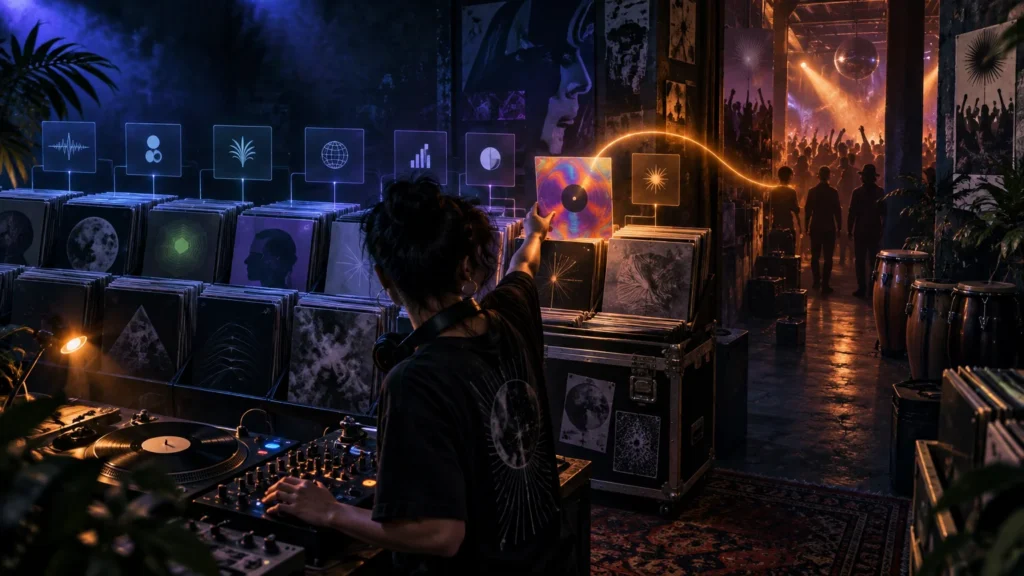
Genre tags are useful starting coordinates, not final judgments. Here is how to use them across Bandcamp, Spotify, Discogs and Beatport without getting trapped in the same musical lane.
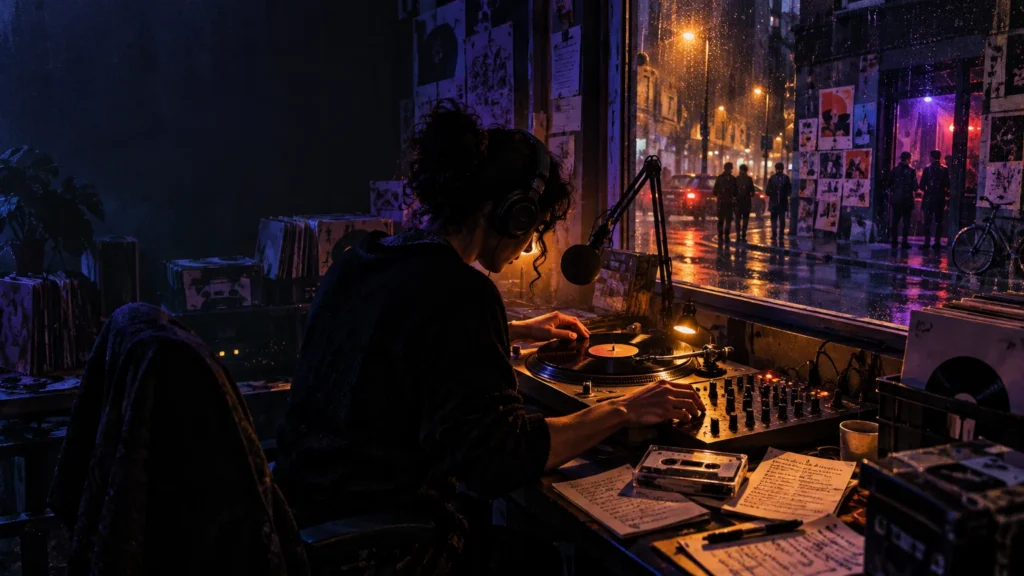
A practical workflow for turning community radio, archived shows and DJ mixes into a focused trail of artists, labels, releases and events.

Choose an afterparty format that fits your group’s energy, transport, budget and recovery needs—without trying to rebuild the festival in a living room.
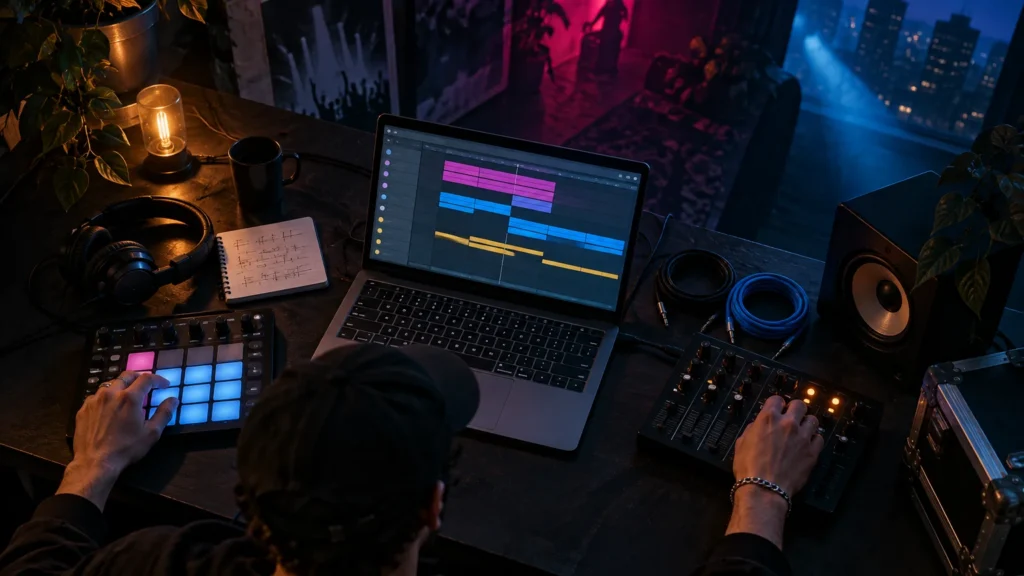
A useful DAW template handles routing, organization, and file management without deciding what the next track should sound like. Here is how to build a lean, modular system for EDM production.
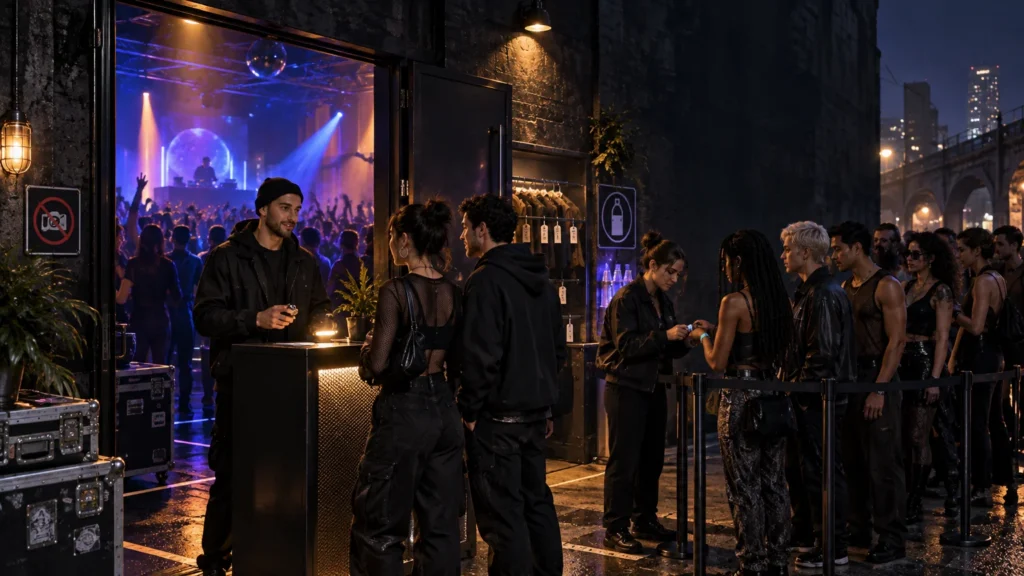
A club door can protect capacity, safety and the character of an event without turning entry into an arbitrary vibe check. Here is what fair crowd curation looks like.
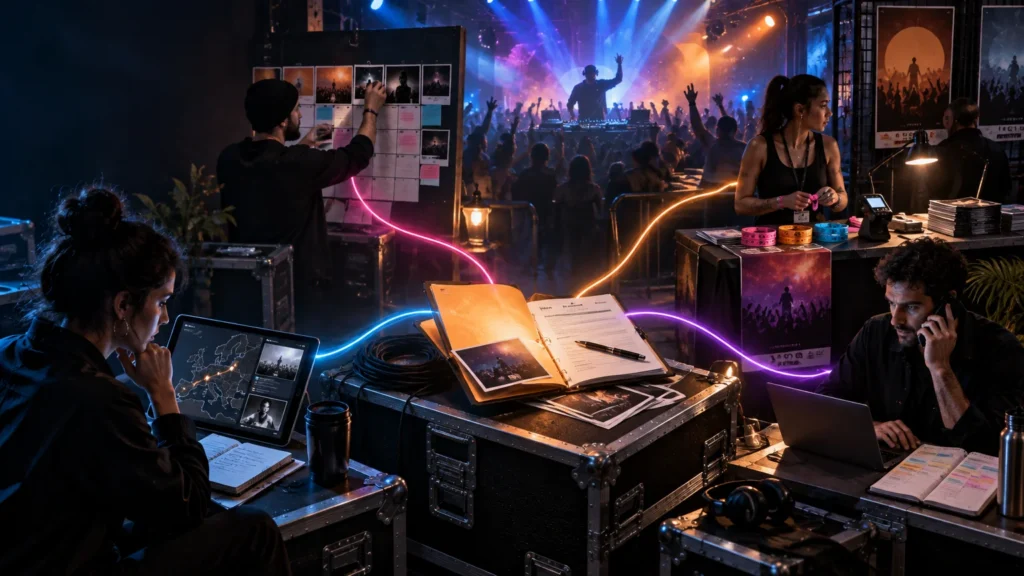
The manager guides the artist’s career, the talent buyer selects acts for a calendar, and the promoter turns those bookings into viable events.